This website is made possible by readers. I may earn a small commission when you buy through the links in this article at no extra cost to you. Learn more.
Details
- Price $2.07 for the lowest price per day at sakuramobile.jp
Overview
I've been living in Japan for a decade now, and Tokyo is a great city, but one common misconception is how technologically advanced it actually is. There are some impressive advances, like how clean you can keep yourself after doing your business, but one area that still lags behind is the availability of wifi in in the wild.
In recent years, the situation has improved. Still, unlike Thailand, Korea, or Indonesia, where a cafe without wifi is the exception, here it is often the opposite. I often have to search specifically for places where I can get a couple of hours of work done. Many cafes in Japan seem to prefer preventing seats from being occupied for too long, so they are reluctant to provide power outlets or wifi. Understandable but detrimental to digital nomads everywhere.
Even in cafes that do provide it, there is often a time limit or a login portal that does not work smoothly, which makes it less than ideal for digital nomads. Starbucks, being American-owned, is one of the few chains that offers dependable wifi, but their coffee is mediocre and more like a dessert.
So what is the solution? Having wifi with you at all times. For travellers, there are generally a few options: a travel SIM or eSIM, or a pocket wifi device. They are essentially similar, but a pocket wifi allows you to share the connection across multiple devices.
Sure, you can use your phone’s personal hotspot, but I have found the connection less reliable compared to a pocket wifi, as it tends to drop when my phone goes into auto-lock.
Sakura Mobile sent me a pocket wifi to use in Japan, so I will be comparing it with other available options and sharing an honest review.
First Impressions
The device was delivered to my residence within a day of placing the order. I was impressed by the speed. They allowed me to select a time when I would be home. The device has to be collected in person and cannot be left in your mailbox or unattended.
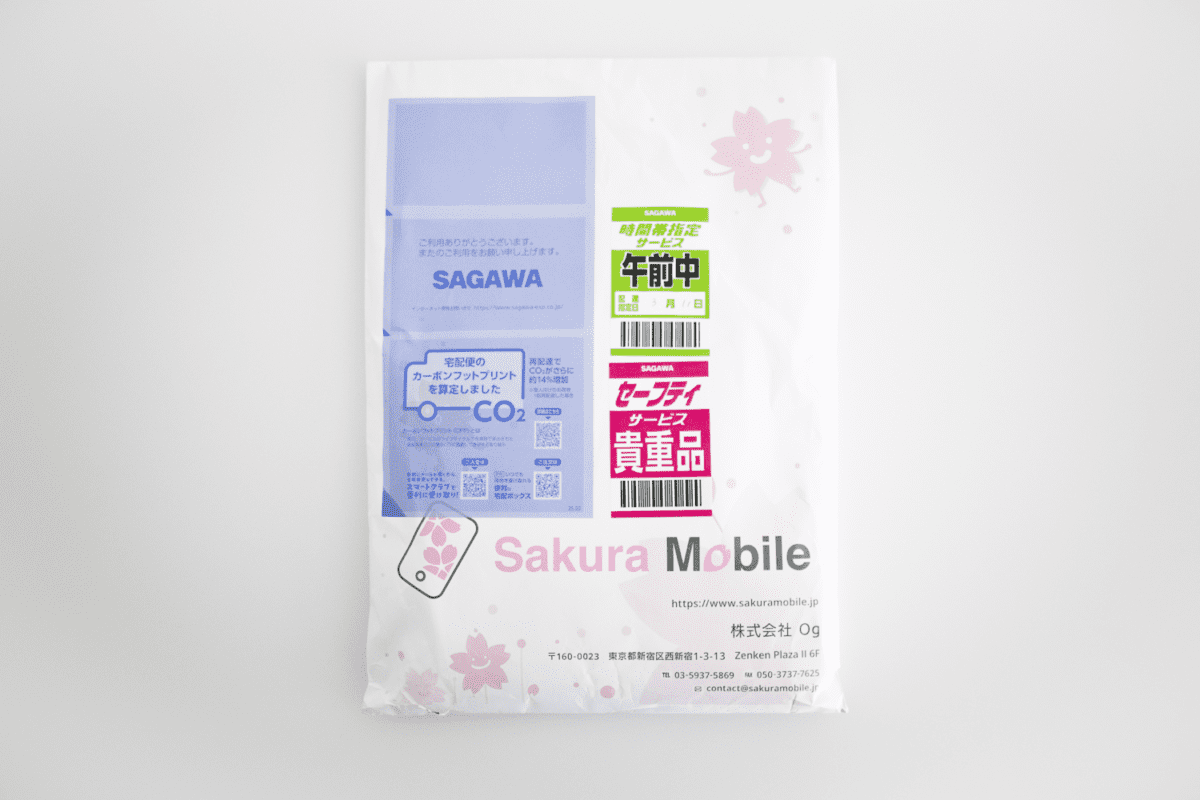
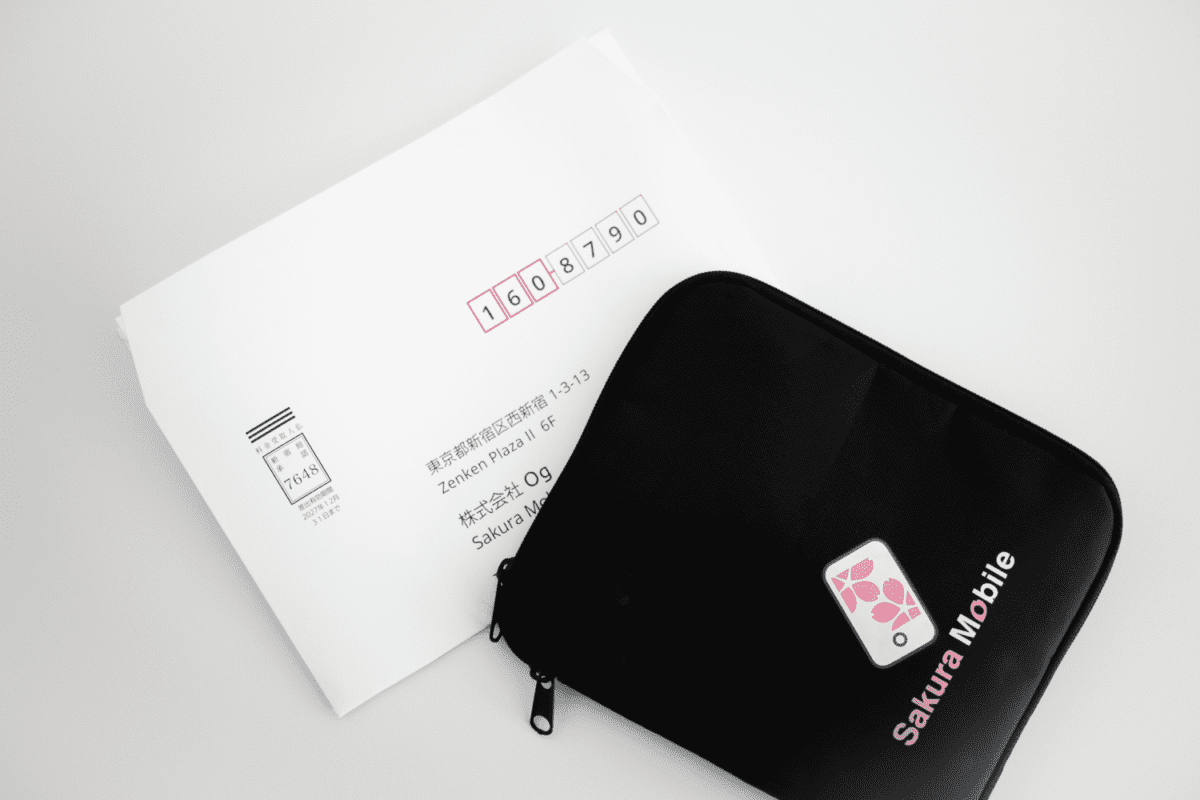
Inside the A4 envelope, there was a black pouch containing the device, a USB-A to micro-USB cable, and a power adapter, and some instructions, along with a return envelope. The pouch felt slightly oversized for the contents, but since it was going into my spacious Tortuga Daily Carry Pro anyway, it did not really matter.
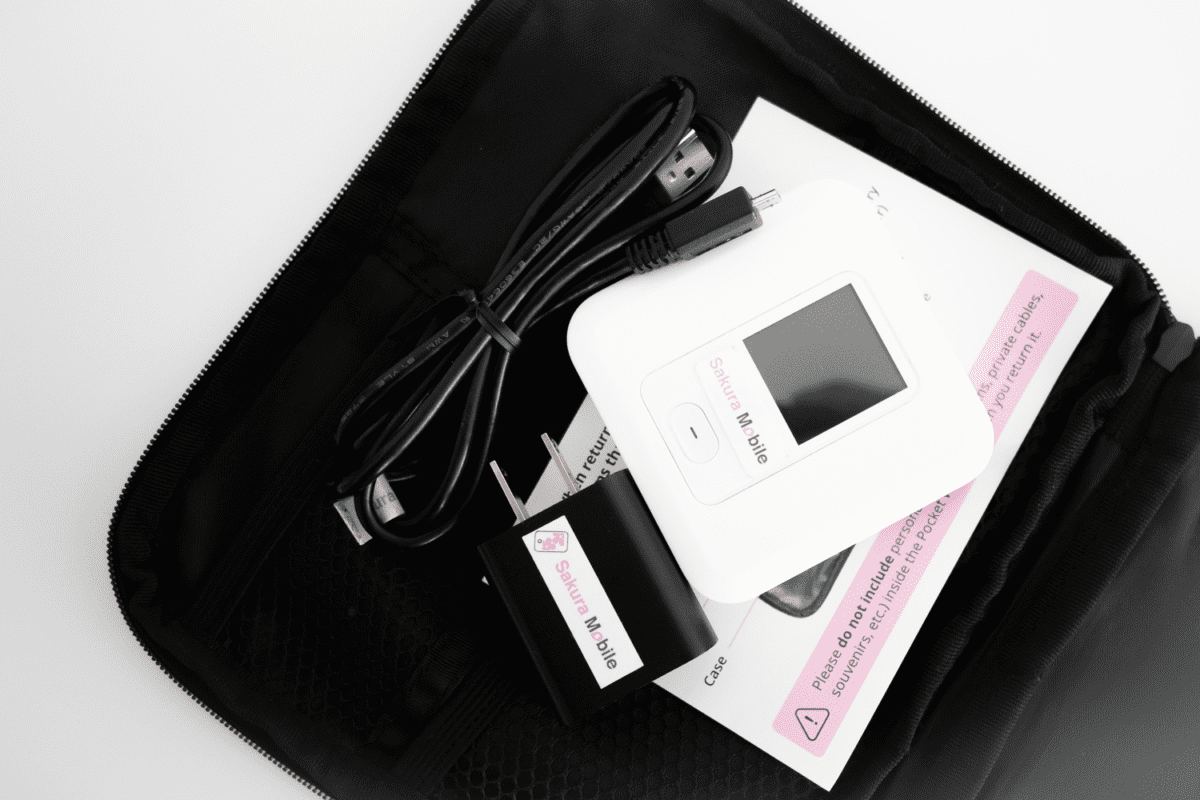
I would have been in trouble if they had not included an adapter, as I have consolidated all my charging to USB-C. I did wish they offered a device that could be charged via USB-C. I briefly considered getting the GL.iNet Mudi and swapping out the SIM card, but decided against it since I would not be using this long term.
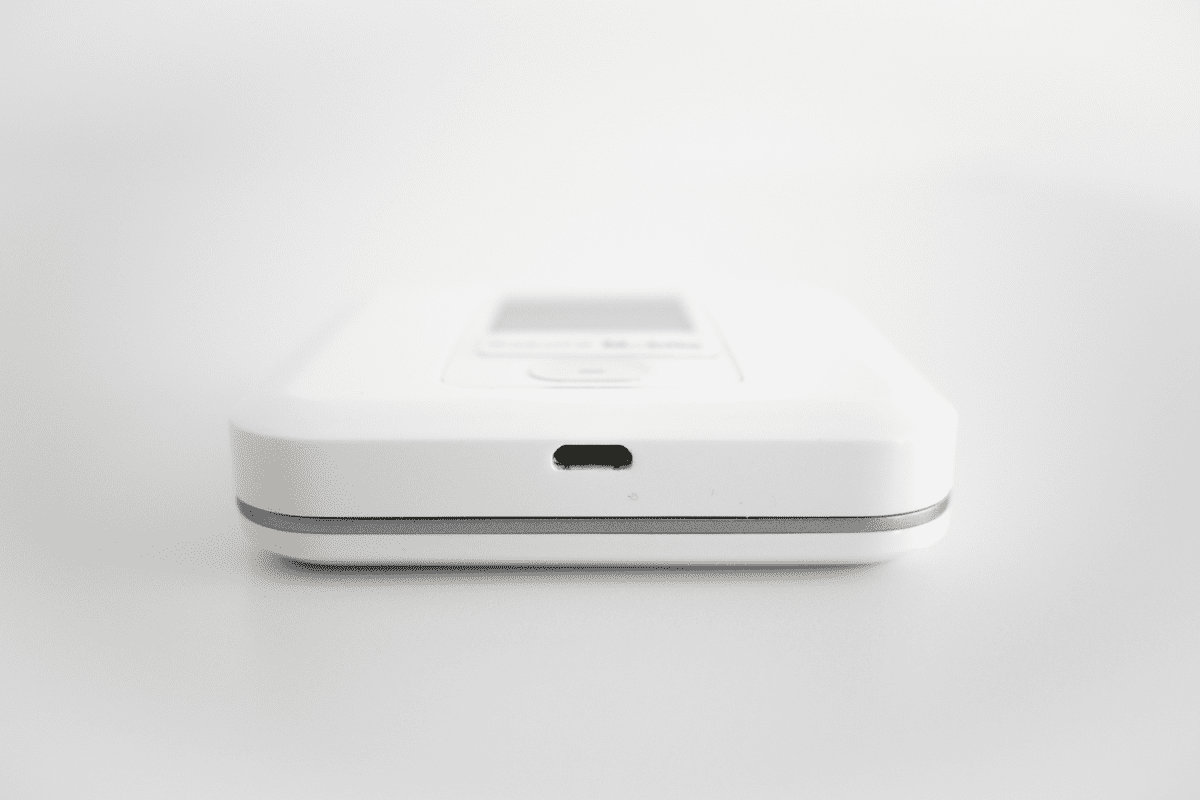
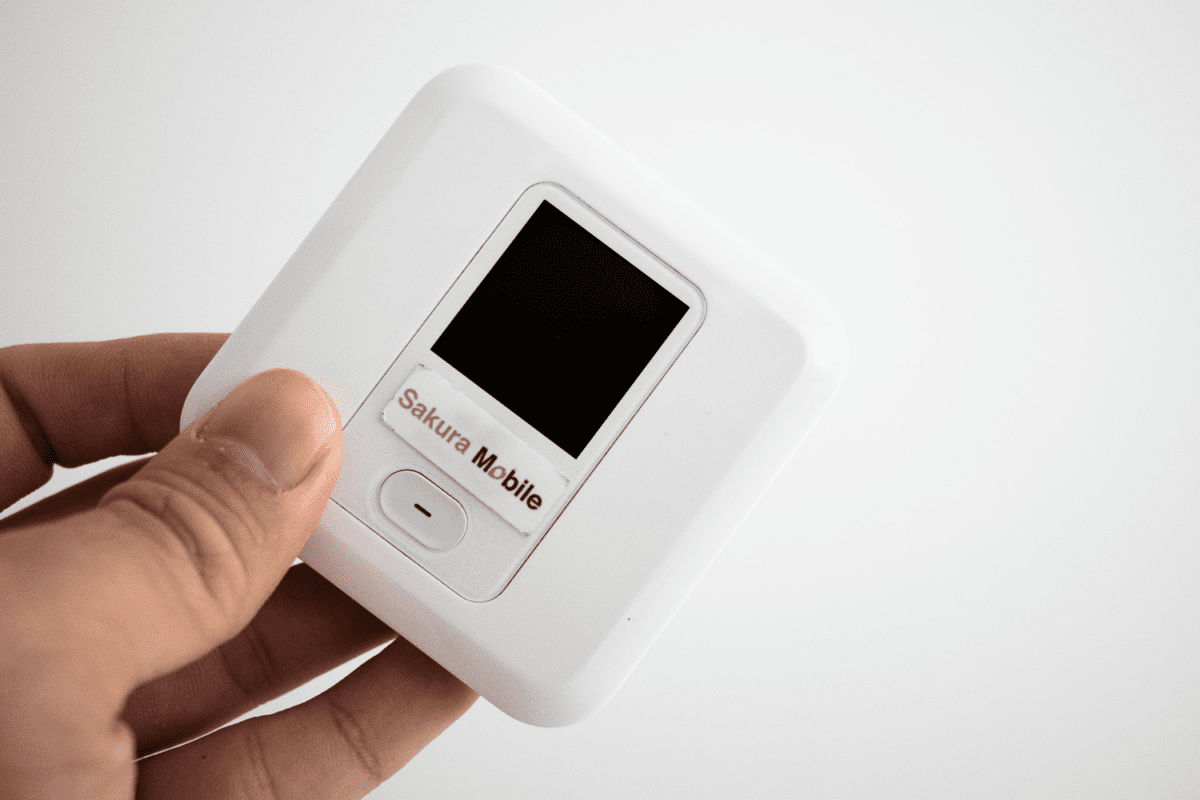
The device was simple to set up, though there was hardly any setup required. It arrived fully charged, so I just had to long-press the power button to turn it on and connect to the hotspot. The network name was “sakuramobile” followed by the number printed on the back of the device. The password was printed there as well.
This used to be an ad.
But no one likes ads, so I got rid of them. If my articles helped you, I ask for your support so I can continue to provide unbiased reviews and recommendations. Every cent donated through Patreon will go into improving the quality of this site.
That was all it took to get online.
Comparison
How does it compare to other pocket Wi-Fi options in Japan? I do not use pocket Wi-Fi regularly, but I am good at researching.
Below is a comparison of some of the top results from my search, focusing on unlimited data plans over longer rental periods. Some of the prices were listed as “limited time discounts,” but that likely serves more as a marketing tactic to make customers feel they are getting a good deal. Marketing 101.
| Provider | Sakura Mobile | Japan Wireless | NINJA WiFi | eConnect Japan |
| Cost/Day (30 day avg) | 619 yen | 590 yen | 2,217 yen | 507 yen |
| Cost/Day (60 day avg) | 403 yen | 471 yen | 2,217 yen | 363 yen |
| Cost/Day (90 day avg) | 330 yen | 431 yen | 2,217 yen | 316 yen |
| Device Limit | 15 | 10 | 2 | 10 |
| Network | Docomo | NA | Softbank | SoftBank |
| Data Allowance | Unlimited (10 GB/day high speed guaranteed) | Unlimited | Unlimited | Unlimited |
| Speed | 4G/LTE | NA | 4G | 4G/LTE |
| Pickup / Return | Airport, Hotel, Residence, Provider Office/ Partner Counter | Airport, Hotel, Residence, Post Office, Office, Provider Counter | Airport, Provider Office/ Partner Counter, Delivery (550 yen) | Airport, Hotel, Residence, Post Office |
The 299 yen price advertised on Sakura Mobile’s site can be slightly misleading. You only get that rate, or more accurately 330 yen including tax per day, if you rent it for 90 days or more. Normalizing the comparison to a 30-day rental, Sakura Mobile is still one of the cheaper options, though eConnect Japan comes in slightly lower.
While all of the providers above claim no throttling, they still operate on Japan’s underlying networks such as SoftBank or Docomo, which impose network-level limits if you use a significant amount of data. In practice, the soft cap tends to be around 3–10 GB per day, with speeds resetting at midnight. Sakura Mobile is the only provider in this comparison that explicitly states 10 GB of guaranteed high-speed data per day.
The worst option in this group is clearly NINJA WiFi, which is dramatically more expensive and device comes with a measly two device limit. I included it mainly to illustrate how poor some of the options on the market can be.
Among the four, eConnect Japan is the cheapest, but Sakura Mobile stands out by being competitively priced while using the Docomo network. Docomo generally offers better nationwide coverage than SoftBank, which is known to be weaker in more remote areas.
Usage
I left the device on after fully charging it and the battery ended at 50% after about 5.5 hours. So, on a full charge, I would say it could probably last you 11 hours. While much less than the 20 hours listed on the site, it's enough for a full day's worth of internet connectivity.
I designed a thing.
I found a 100 year old company that would create these heirloom quality canisters for me. They are handmade and will keep your tea leaves, coffee beans or anything that you need dry for years to come.
or read review
My speed test gave me a result of 1.0 Mbps speed, which is quite some ways off from the 3~30 Mbps connection stated in the FAQs, but this is typical of most LTE speeds in Japan. At this speed, while you will be able to stream Netflix, it will appear pixelated. I would say if you are getting this speed, it is mainly for remote working or just surfing the net.
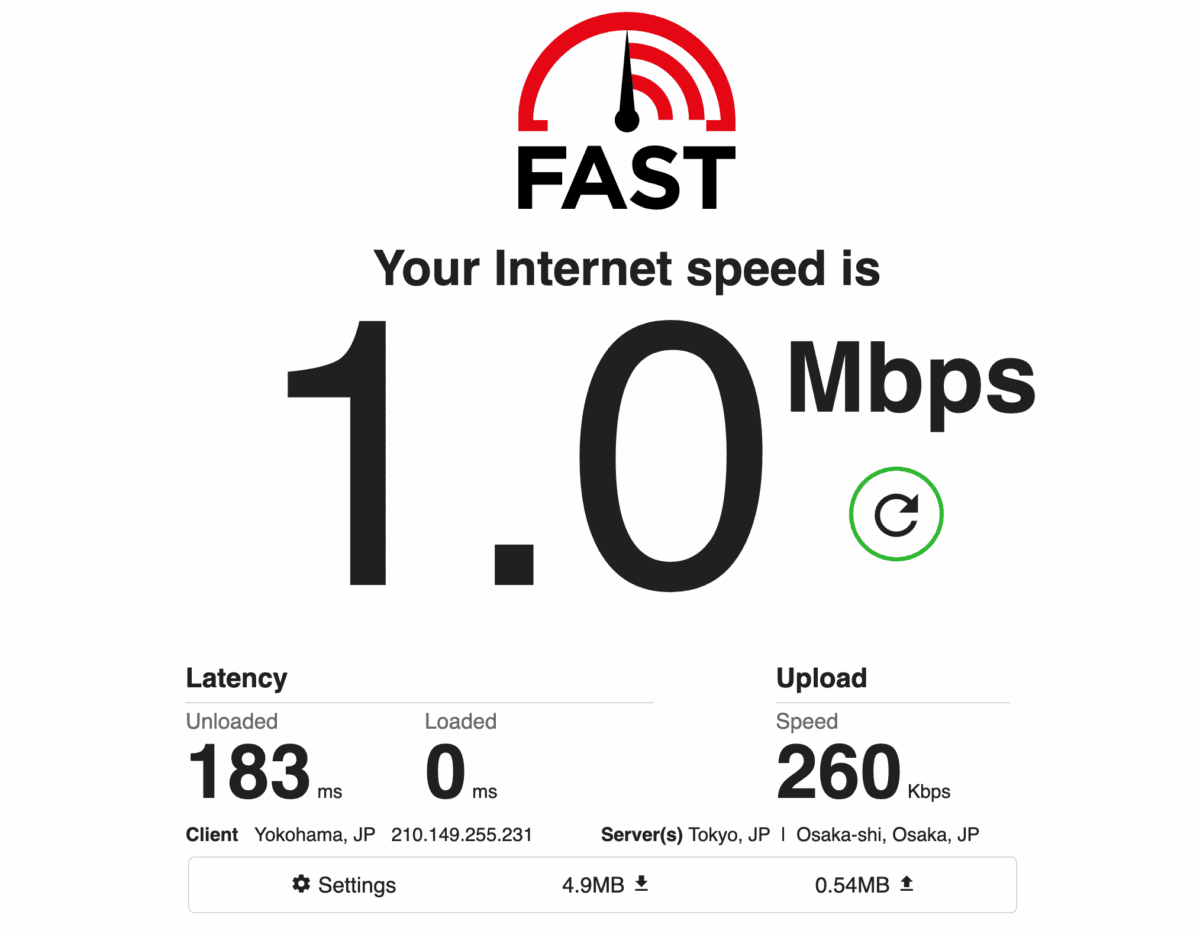
The speed is also location dependent, as with any mobile service. On my way to town, reels on Instagram wouldn't load fully and I had to wait up to a minute for it to complete loading, if at all. I tested the speed again in Shinjuku, which is where many tourists will be using the pocket wifi, and it was much better and I was able to doom scroll Instagram without any lag.
Returning the device was ultra simple. The return envelope provided is paid for and valid till end 2027 in my case, a whole one year and seven months from when I received it. Put pouch with the device and accessories into the envelope and dump it into one of the many iconic red Japan Post letter boxes before you leave.
Conclusion
Sakura Mobile offers a competitive price point, speedy and fuss-free service, and top network coverage with Docomo. The speed is dependent on your location and the service provider's coverage, so it is par for course with other mobile wifi providers.
I would have preferred USB-C on the device, I won't be surprised if there are no providers that actually provide a device with one.
Like this review? See all of my in-depth reviews.
Also, consider supporting me by being a Patreon. Every cent given will go back into improving the content of this website.
Tagged japan life pocket wifi review tech