This website is made possible by readers. I may earn a small commission when you buy through the links in this article at no extra cost to you. Learn more.
In the heart of Hanoi, as the humid afternoon fades into a buzzing evening, a familiar sound begins to echo through the Old Quarter: the rhythmic clink of recycled glass and the exuberant roar of “Một, hai, ba, yo!”
This is the world of Bia Hoi. Often called the “cheapest beer in the world,” it is far more than just a low-cost beverage. It is a daily ritual, a cultural cornerstone, and the liquid soul of Northern Vietnam. Whether you’re a seasoned traveler or a curious foodie, this is your comprehensive guide to mastering the art of the Bia Hoi session.
What Exactly is Bia Hoi?
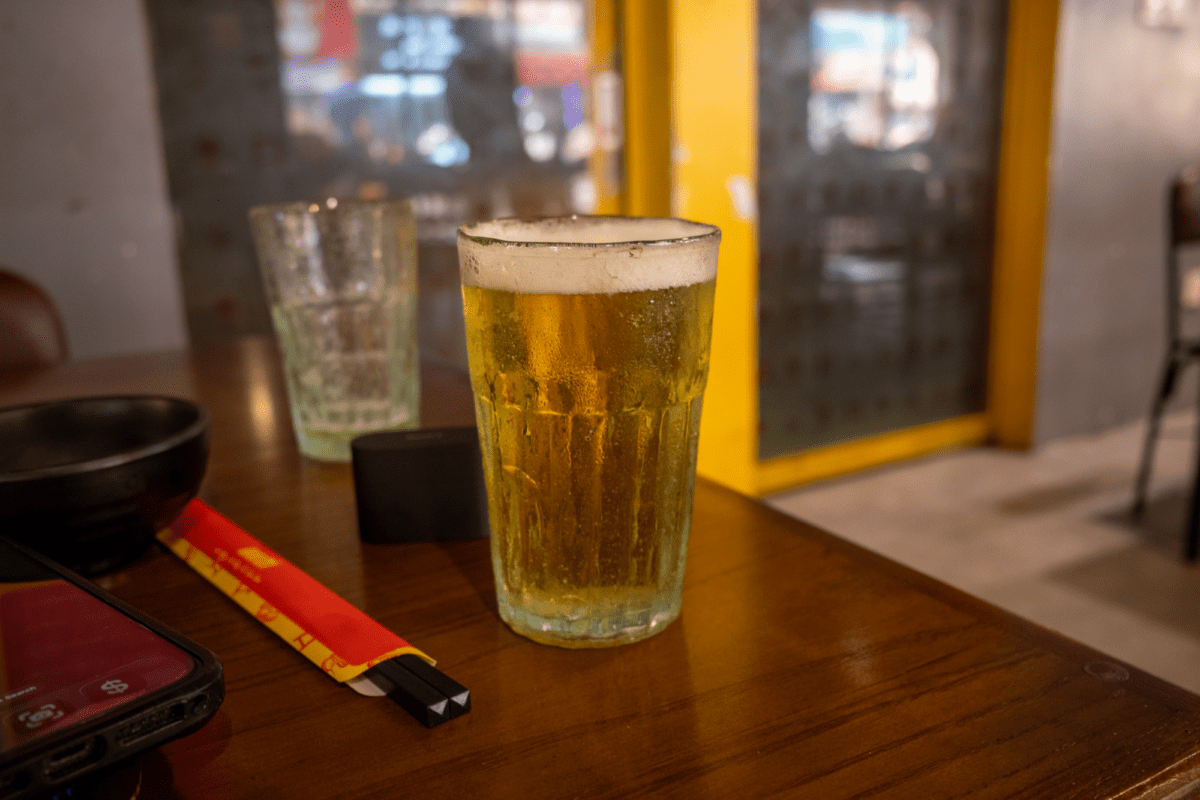
Bia Hoi (literally “fresh beer” or “gas beer”) is an unpasteurized, light draft lager brewed daily without preservatives. Unlike bottled beers meant for long-term storage, Bia Hoi is a living product. It is barreled in steel kegs, delivered via motorbike every morning, and meant to be consumed within 24 hours.
Key Characteristics:
- Alcohol Content: Exceptionally light, typically between 3% and 4.3% ABV.
- Flavor Profile: Zesty, crisp, and incredibly refreshing with a clean finish—perfect for combatting Hanoi's tropical heat.
- The Price: A glass typically costs between 5,000 VND and 15,000 VND ($0.20 to $0.60 USD), making it an unrivaled bargain.
- The Glassware: It is traditionally served in heavy, pale green glasses made from recycled glass. These glasses are often riddled with bubbles and imperfections, a design that has remained virtually unchanged since the 1970s. The glasses are made in the Xoi Tri village in Nam Dinh province.
A Pint of History: From Colonialism to Communism
The story of Bia Hoi is woven into the history of Vietnam itself. Before the late 19th century, the Vietnamese primarily consumed traditional rice wine (rượu gạo).
- The French Influence: In 1890, French colonialists opened the first brewery in Hanoi (now the site of the Habeco factory) to cater to European tastes.
- The Birth of “Fresh” Beer: After 1954, the Vietnamese took over production. Due to severe shortages of materials like glass for bottles and metal for caps, breweries began distributing beer in reusable kegs.
- The People's Choice: This “fresh” delivery system was not only efficient but also made beer affordable for the working class. It quickly evolved from a luxury item to a daily staple for the masses.
How Bia Hoi is Made
Today, the state-run Habeco (Hanoi Beverage Company) produces the bulk of the city's supply. The process involves:
- Malting & Mashing: Using imported barley to convert starch into fermentable sugars.
- Hopping: Adding hops to introduce that signature aroma and subtle bitterness.
- Fast Fermentation: Because it isn't pasteurized or heavily filtered, the fermentation process is kept short to maintain its “fresh” and bubbly character.
Is it Safe to Drink?
One of the most common questions from travelers is: “Will it make me sick?” Generally, yes, it is safe. Because of the incredibly high turnover—stale beer is literally poured down the drain at the end of the night—you are almost always drinking a batch brewed that very morning. While the informal street setting might look rustic, the beer itself is produced in a regulated, industrial facility. Most “headaches” attributed to Bia Hoi are usually the result of the sheer quantity consumed during a long session of “bottoms up” toasts!
The Ritual: How to Drink Like a Local
Drinking Bia Hoi is a team sport. You'll often find groups of local chattering loudly and getting jolly on fresh beer. As a solo traveler that prefers quiet places yet enjoys the beer, I'll have to make do with my Sony WF-1000XM6 noise cancelling abilities.
- The Seat: Most would say if you aren't sitting on a tiny plastic stool on a sidewalk, you aren't doing it right. But I like comfortable seats in air-conditioned bia hois, although those might not be the most traditional.
- The Toast: You must learn the chant: “Một, hai, ba, YO!” (One, two, three, CHEERS!). It is customary to clink glasses with everyone at the table before every sip.
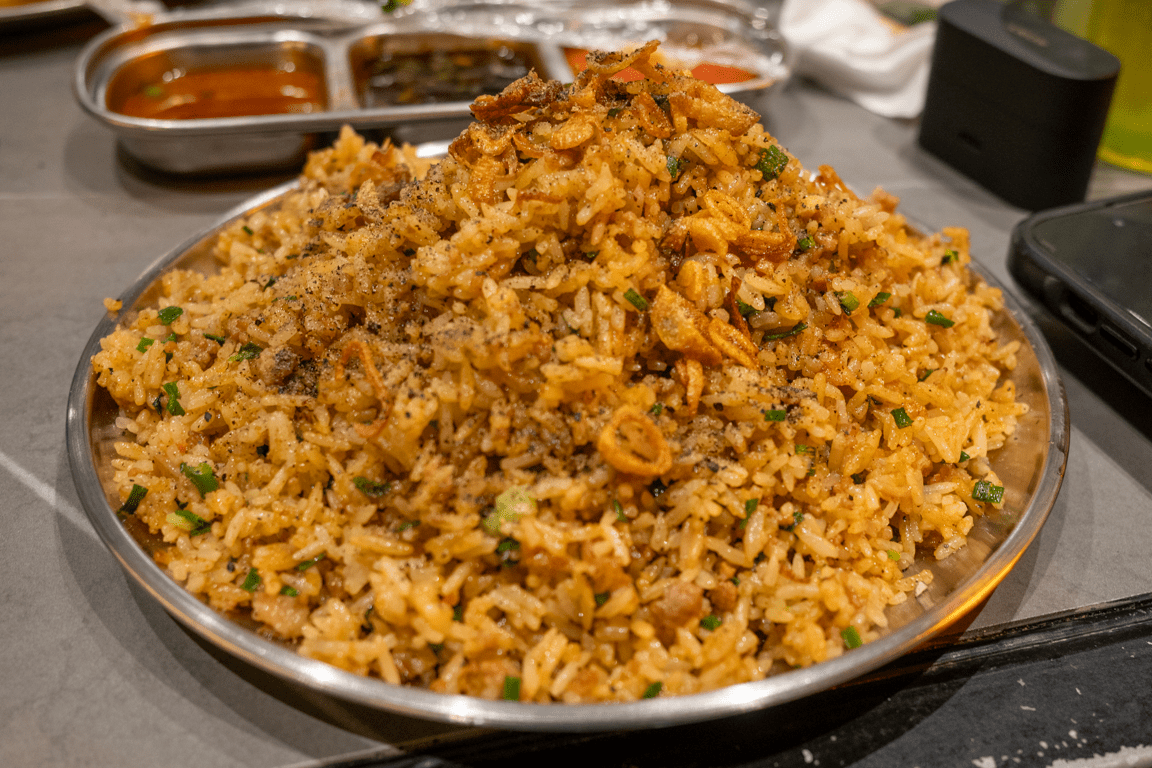
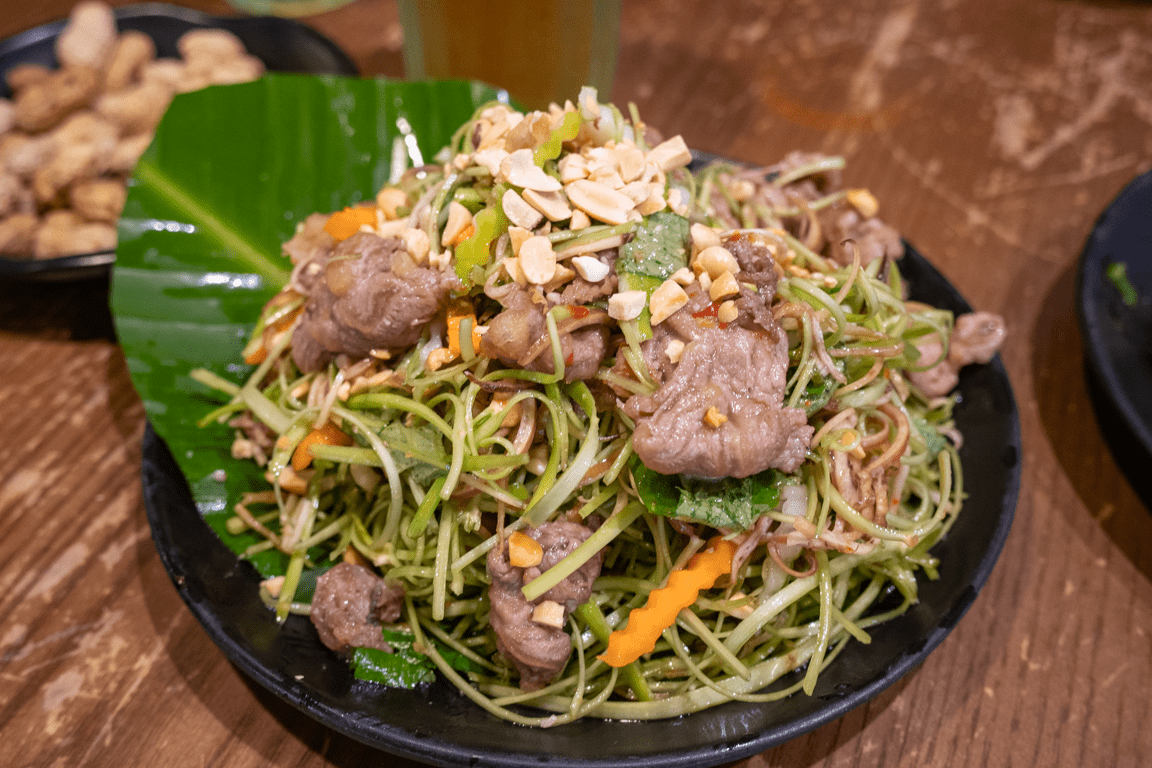
- The “Mồi” (Beer Food): Never drink on an empty stomach. The food is for sharing so even though I am alone when I go to bia hoi, your waistline will hate you. Standard Bia Hoi snacks include:
- Lạc luộc: Boiled peanuts.
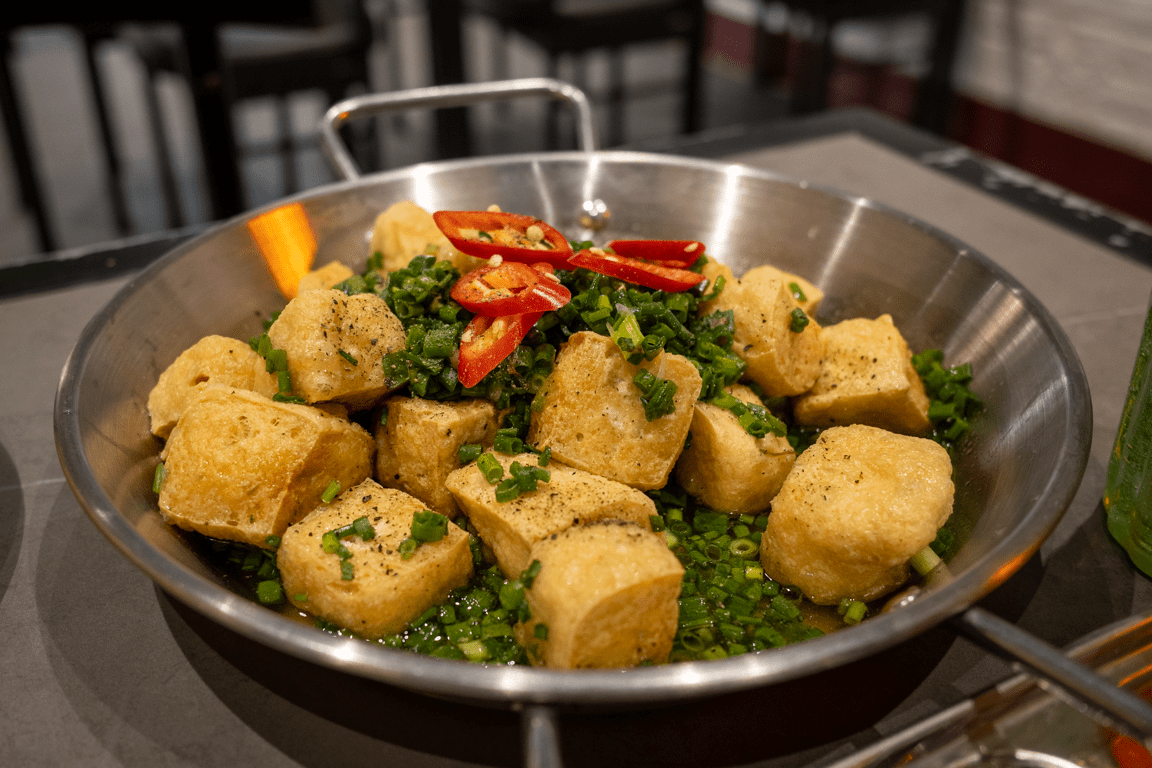
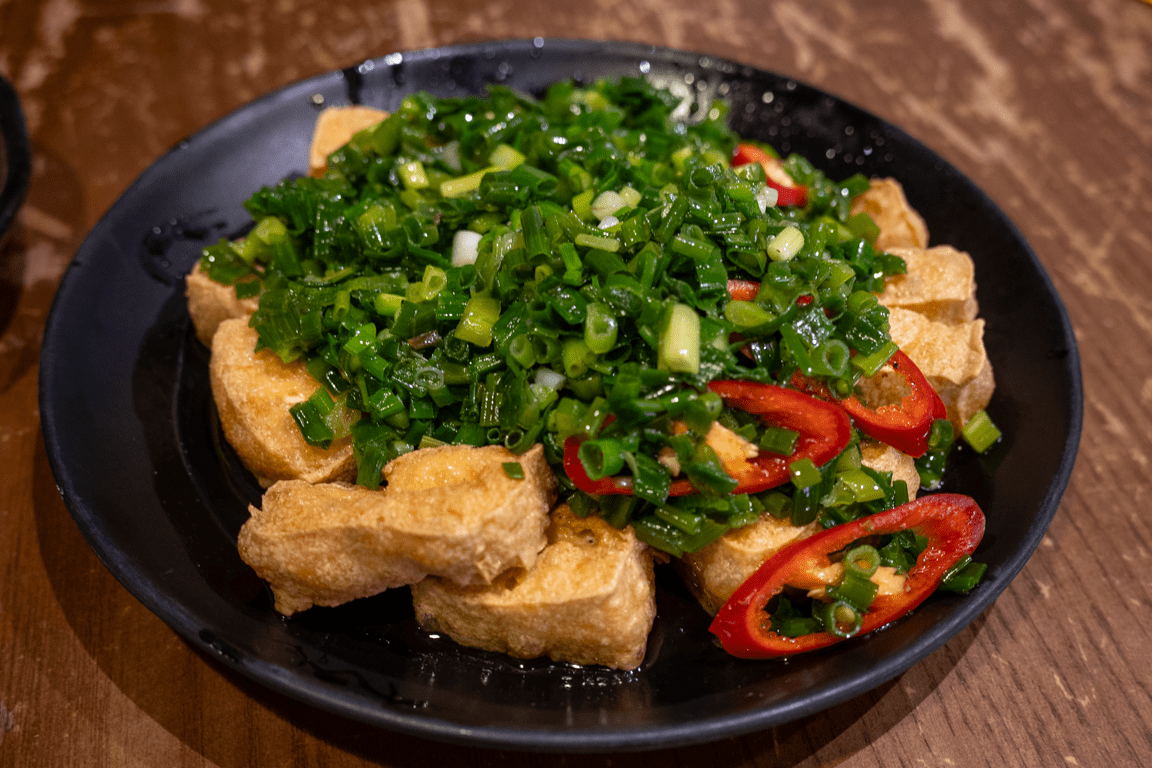
- Đậu rán: Crispy deep-fried tofu.
- Nem chua: Fermented pork rolls.
- Chả ốc: Savory ham with periwinkle snails.
Where to Find the Best Bia Hoi in Hanoi
1. Bia Oi
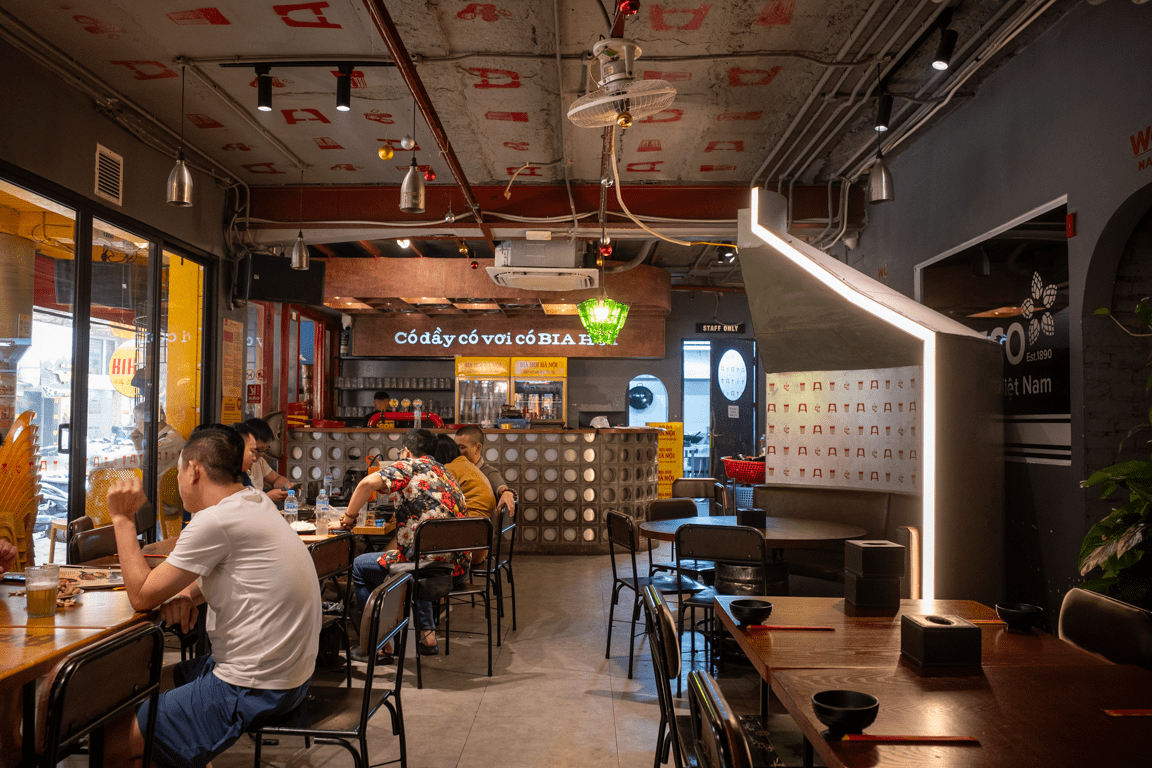
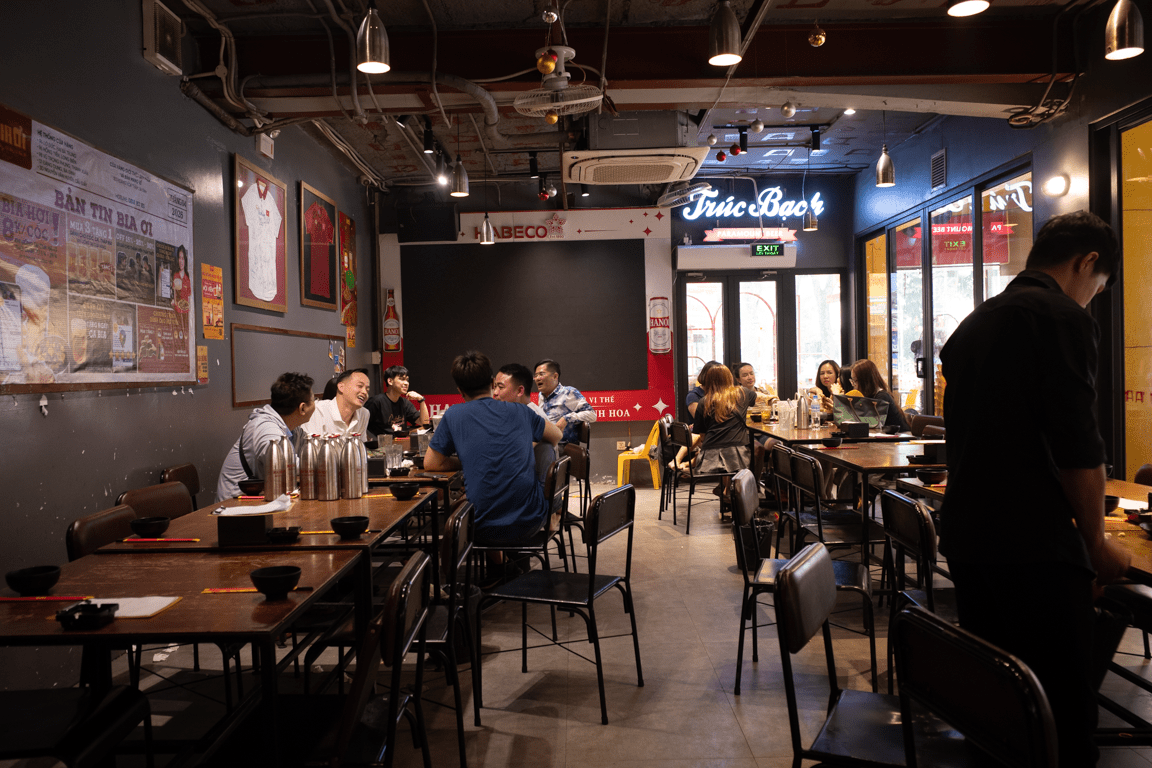
Multiple branches. I visited this one.
Recommended to me by a local, there are a few branches of this established bia hoi. Wifi doesn't work when I was there, and accepts credit card.
2. Bia Hơi Bát Đàn (50 Bát Đàn)
A legendary institution in the Old Quarter. This is a “proper” joint where you’ll find a mix of locals and savvy travelers. The turnover here is massive, ensuring the beer is as fresh as it gets.
This used to be an ad.
But no one likes ads, so I got rid of them. If my articles helped you, I ask for your support so I can continue to provide unbiased reviews and recommendations. Every cent donated through Patreon will go into improving the quality of this site.
3. Bia Hơi Hải Xồm / Lan Chín
These are large, multi-location chains that function more like beer halls. They are fantastic for large groups and offer extensive food menus, including grilled meats and seafood.
4. Bia Hơi Phú Sỹ
You'll find Japanese salary men here on most nights in this bia hoi, which I've heard is partially owned by a Japanese. Even some of the staff speaks Japanese. If you like Japanese izakayas with tasty bia hois, this is it. Has wifi and accepts credit cards.
Summary: Why You Must Try It
Bia Hoi is the ultimate equalizer. At a plastic table on a Hanoi sidewalk, you’ll find construction workers sitting next to office executives and backpackers, all sharing the same cold, 20-cent beer. It is a testament to the Vietnamese spirit—fresh, resilient, and best enjoyed in the company of others.
Pro Tip: Most Bia Hoi places close early (around 9 PM or 10 PM) or when the keg runs dry. Start early, drink fresh, and don't forget the tofu!