This website is made possible by readers. I may earn a small commission when you buy through the links in this article at no extra cost to you. Learn more.
Details
- Price $195 at shinzotamura.com
- Material Material Polarized TALEX lenses, non-aging nylon frame, titanium temples
- Weight 0.71 oz / 20 g
- Dimensions 5.4" (w) x 1.9" (h) x 5.6" (d) / 137 (w) x 48 (h) x 142 (d) mm
- Made in Japan
- Visible Light Transmittance 12%
- Warranty 5-year manufacturing defect warranty
Overview
I’ve been through enough sunglasses to know what I like: simple shapes, no branding, and black.
Born out of Osaka, Shinzo Tamura has been quietly handcrafting premium frames with a heavy lean on old-school craft and modern tech. Having lived in Japan for close to a decade now, I can say that Japan-made quality is second to none.
Having reviewed Shinzo Tamura before, I thought I knew what to expect from the brand: restrained, Japanese-made frames with just enough personality to keep them from being generic. Namba refers to the frame style, while Slate is the specific lens model. Worth noting since opting for other lens configurations or models can change the price.
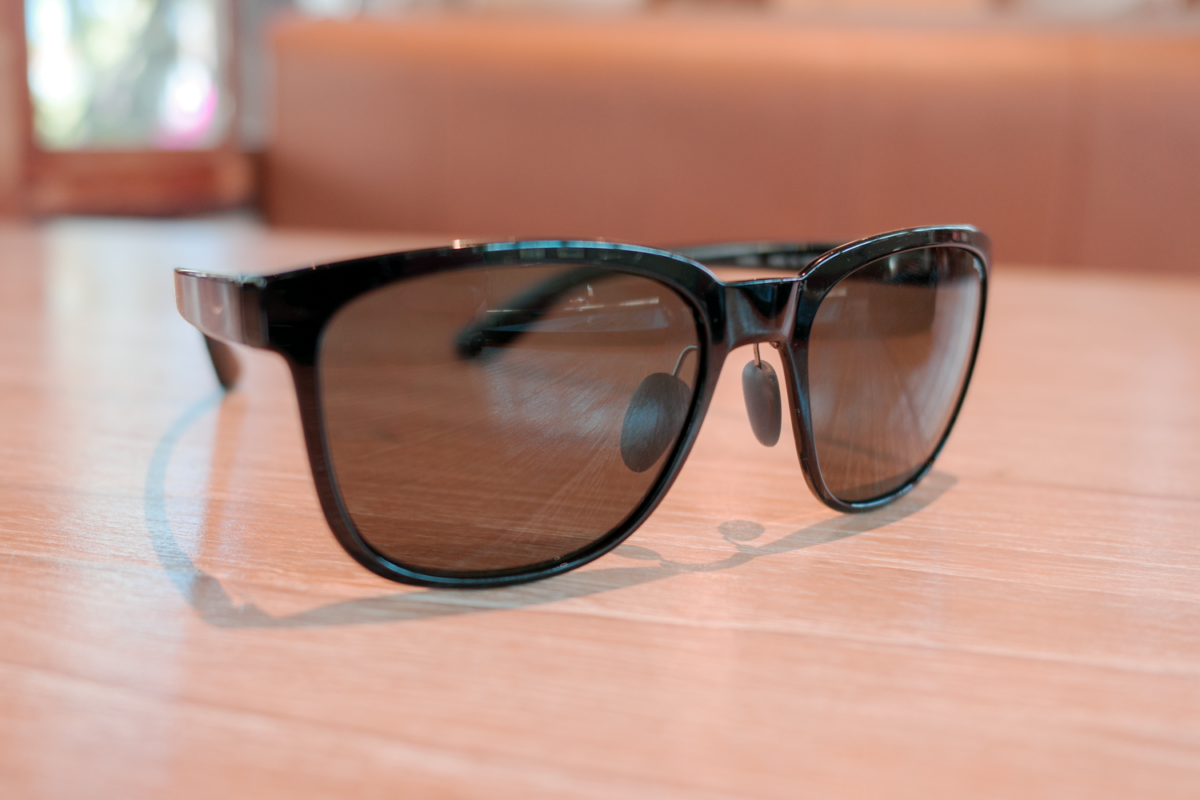
I bring along a pair of sunglasses everywhere I go to not go blind in the tropical sun, and it’s important that I can wear them for every occasion and look good doing so. That contrast between a featherweight feel and solid build quality is what makes the Namba interesting, and I’m looking to see if it can fight for a permanent spot in my everyday carry.
Style
The Namba style is an homage to the classic Wellington shape of the 50s, a silhouette later made famous by Australian and Californian sunglasses in the 80s and 00s. It looks timeless rather than retro, versatile enough to pair with my lazy outfits for the tropical weather.
While the Namba frame comes in black and tortoise, I went for the black to feed my obsession.
I like sunglasses that don’t announce themselves before I do. The Namba gets that right. The proportions are clean, the lines are soft enough to be wearable, and there’s enough character to avoid looking like the default pair you grab from a department store.
None of the design shouts, which is exactly what I want. As someone who gets irrationally bothered by visible logos, I appreciate that the frame kept branding to a minimum. But there are still some visible markings that I didn't want, like the TALEX branding on the lens.
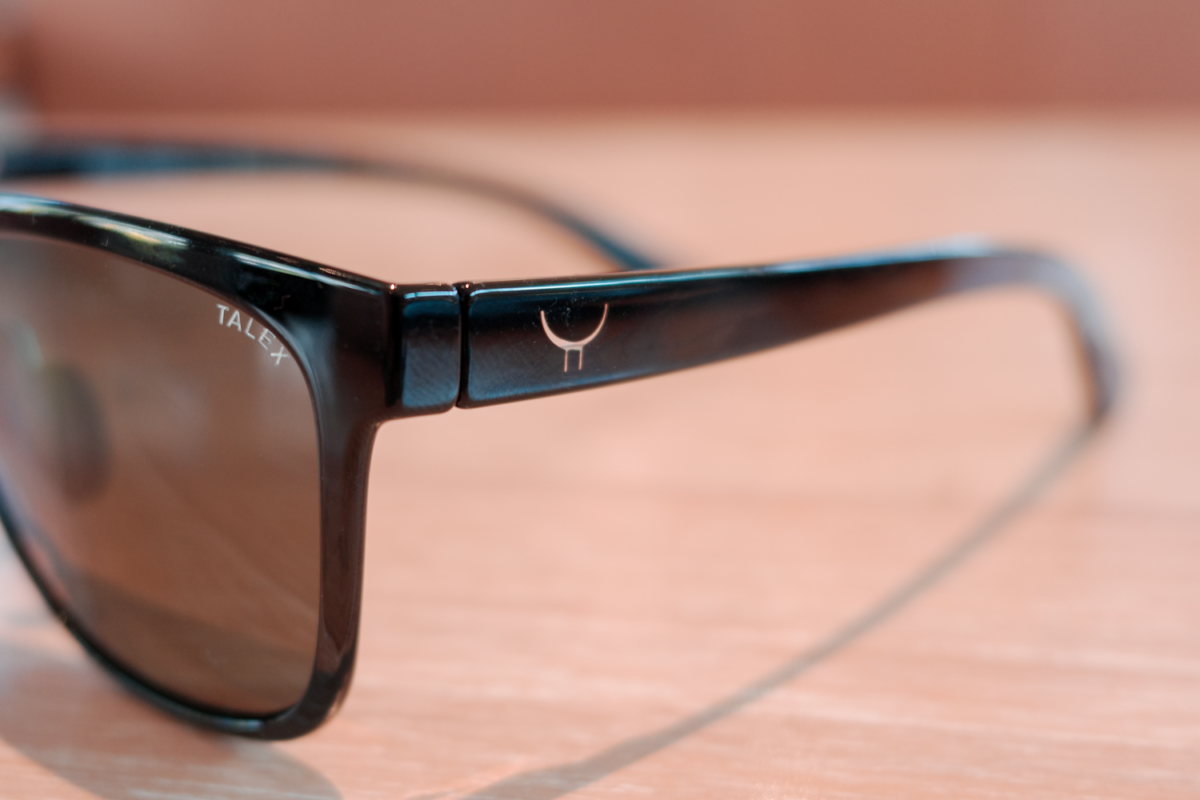
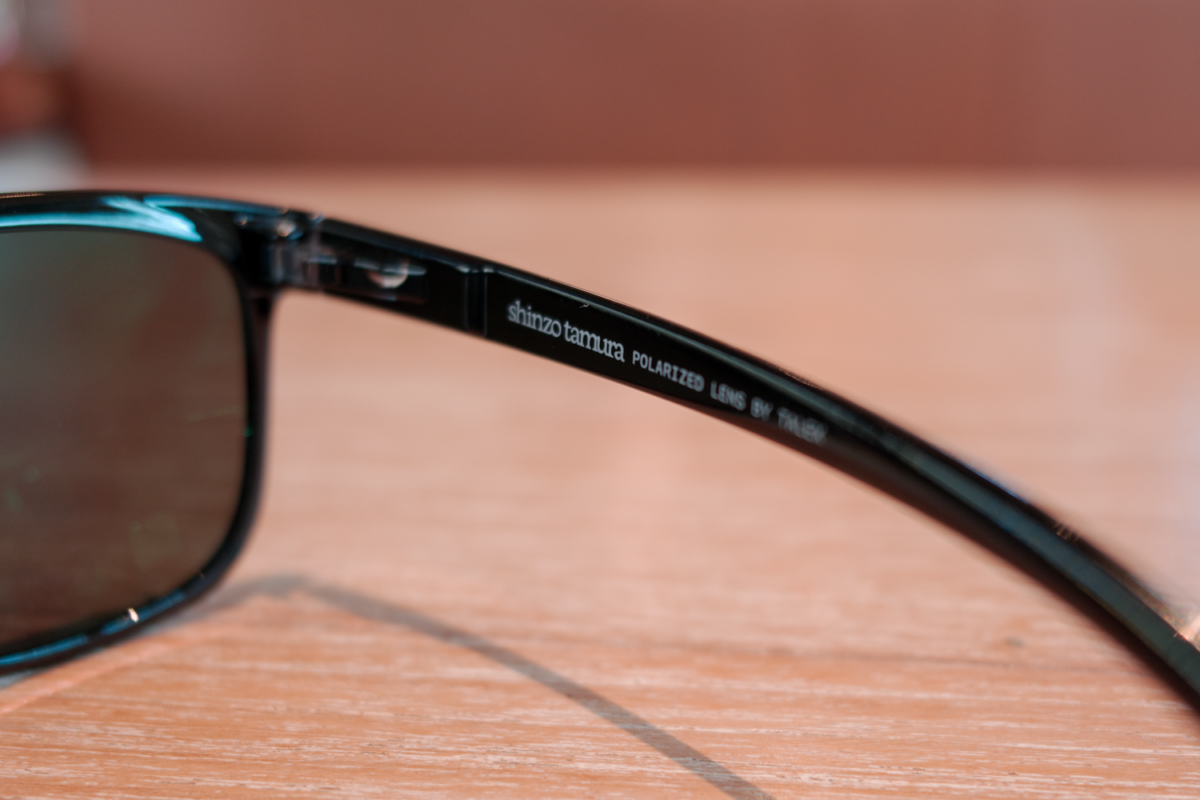
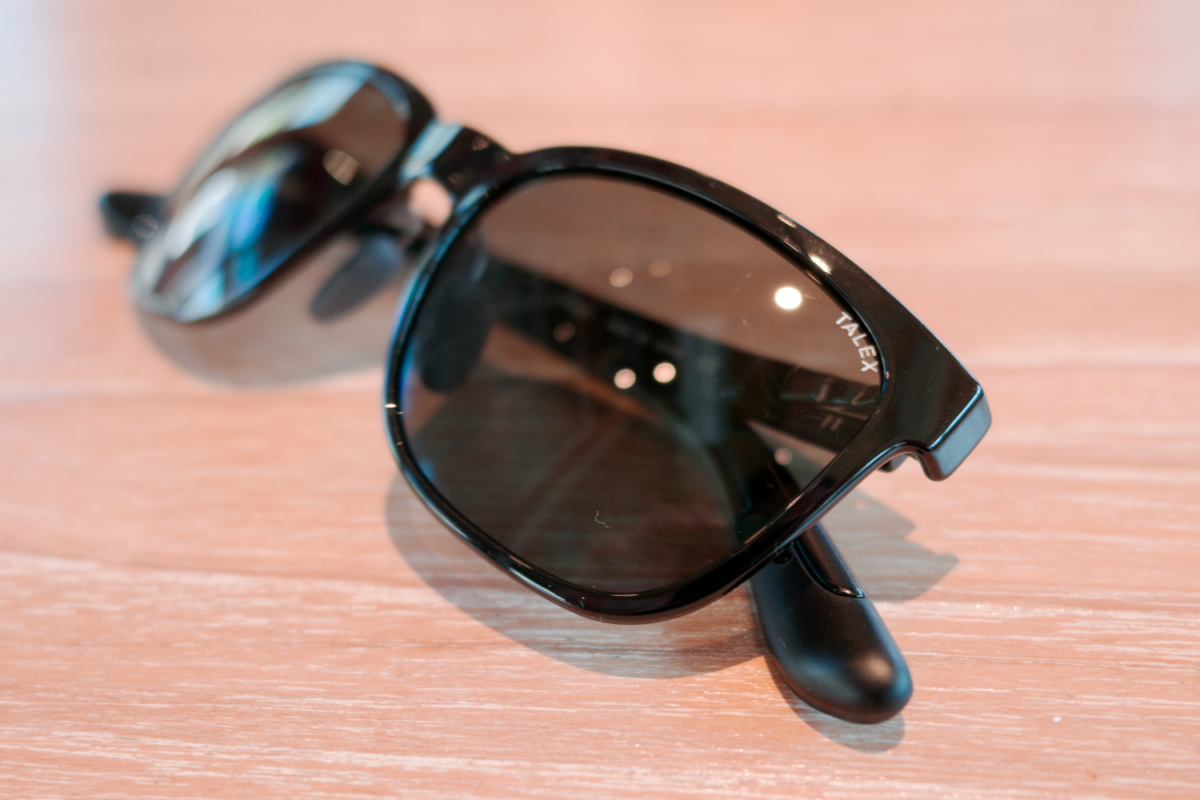
If there’s a risk, it’s that the restraint can make it look almost too simple in photos. In person, the shape has more presence, feeling considered without needing some obnoxious detail to remind you that you paid for it.
At 136 mm hinge-to-hinge, the fit leans toward a standard, slightly narrower profile. While the flexible frame gives a bit, those with wider heads might find themselves wishing they offered a slightly broader sizing option. At a head circumference of 58 cm circumference, I find that it fits my face quite well.
This used to be an ad.
But no one likes ads, so I got rid of them. If my articles helped you, I ask for your support so I can continue to provide unbiased reviews and recommendations. Every cent donated through Patreon will go into improving the quality of this site.

If you have a smaller frame, you might actually find this too big.

Material
The lenses are made in Osaka by TALEX, a crown jewel in Japanese eyewear that cuts 99% of UV rays. Crafted from CR-39 and built with a nine-layer laminated construction, optical distortion becomes a non-issue—even around the periphery where other lenses tend to get fuzzy.
Slate is a natural grey lens model with a 12% visible light transmittance that balances the three primary colours, so what you see looks true to life without looking heavily tinted or stylised. While Shinzo Tamura offers other lens models like Onyx HD, Carbon, Copper Mirror, Topaz, and Peridot, each priced differently depending on the tech and coatings, grey lenses are usually the point for me.
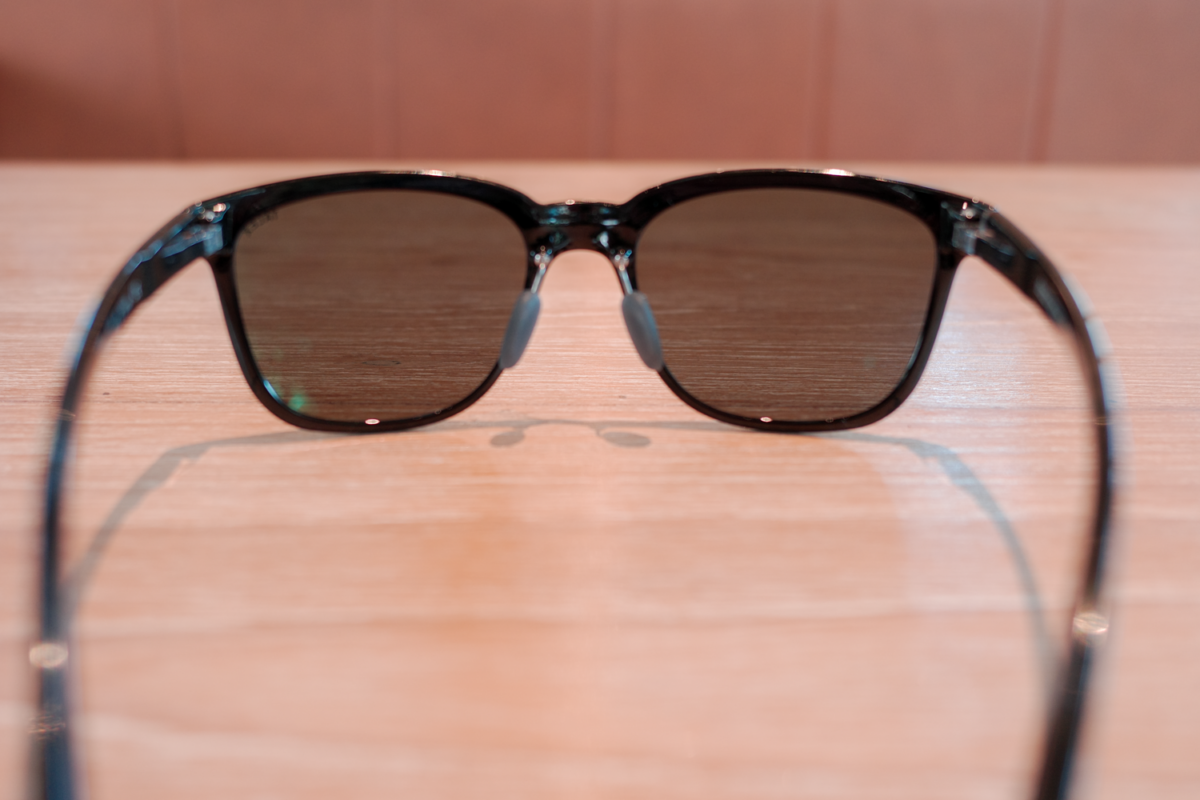
I don’t want sunglasses to make the world look like a music video. The Namba Slate keeps colours honest while taking enough harshness out of the light to make it useful. Whatever coating they use also does a solid job at resisting fingerprints and dust, wiping clean easily without much fuss.
The frames are made from smooth, non-aging nylon, an ultralight material that resists warping, cracking, and all the sad things that happen when you leave sunglasses in your car in July. Paired with titanium temples and titanium arms holding the elastomer nose pads, the frame stays featherweight yet resilient, flexing just enough without snapping like a breadstick.
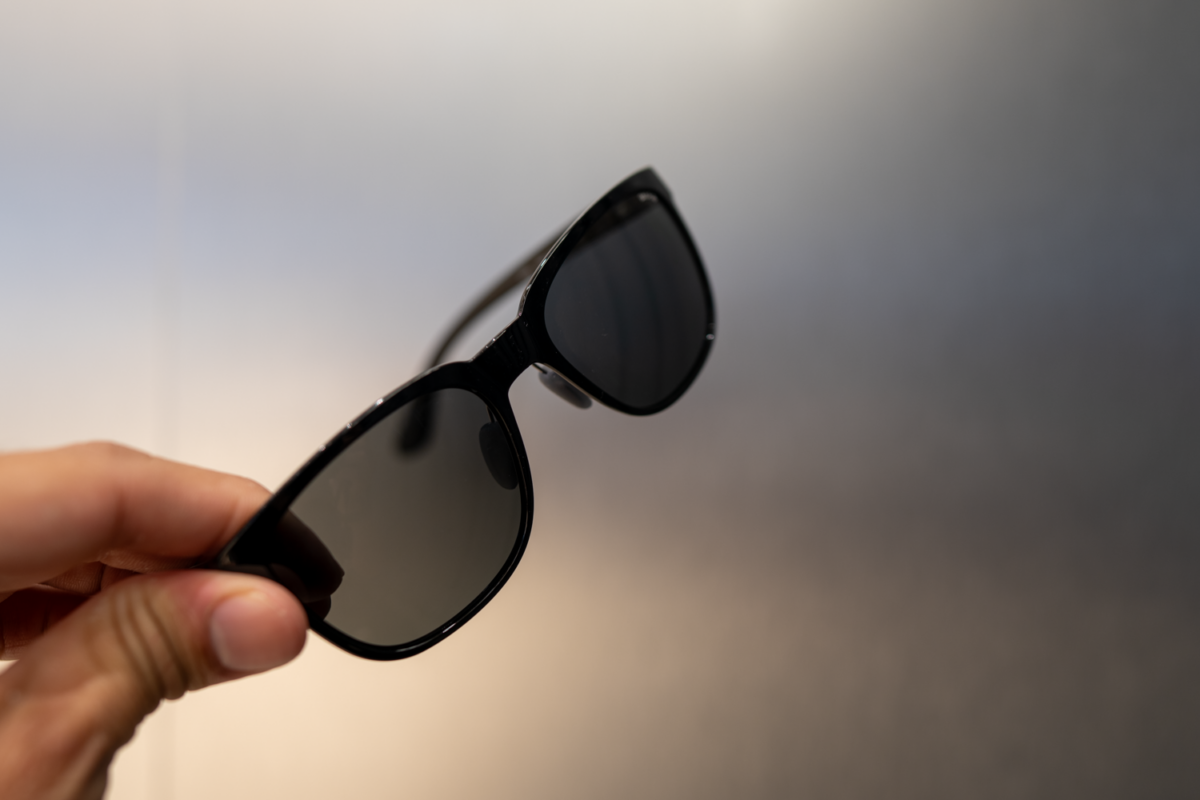
If you judge quality by heft, this will confuse you. The Namba is light enough that your brain briefly files it under cheap, the same way a hollow door feels worse than a heavy one even before you know what either is made of. But that first impression doesn’t quite hold. The finish keeps it from crossing into disposable territory, offering the confidence of something pared down without looking underdone.
Usage
The Namba Slate threw me off when I first unboxed them. The first thing I noticed wasn’t the shape or the lens, but how little they weighed. Holding them for the first time was a little unsettling, like picking up a stone and discovering it’s hollow.
That initial doubt doesn’t last. Once you look closer and wear them for a while, the finishing, styling, and overall restraint take over.
I designed a thing.
I found a 100 year old company that would create these heirloom quality canisters for me. They are handmade and will keep your tea leaves, coffee beans or anything that you need dry for years to come.
or read review
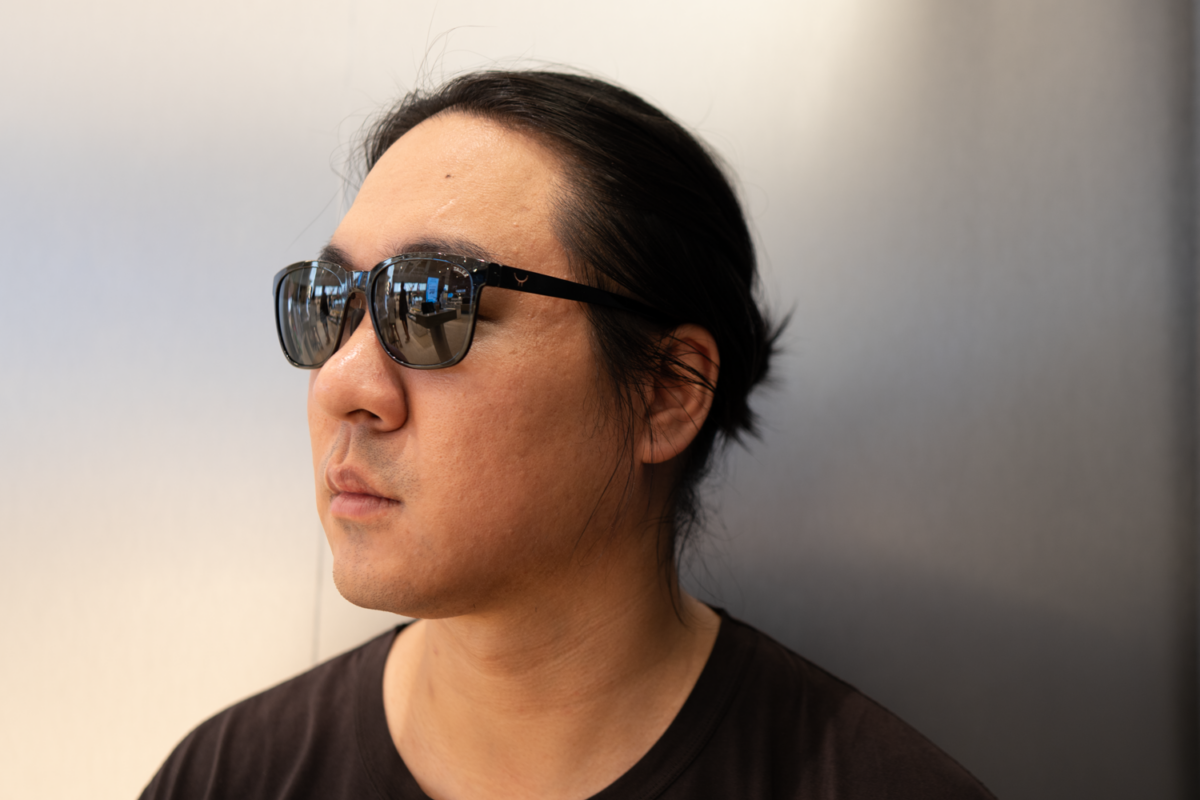
Between the brutal humidity of Tokyo summers and the heat of Singapore, a lighter frame makes a lot of sense. Heavy sunglasses can feel secure for five minutes and annoying for the rest of the day, leaving you constantly adjusting them while battling sweat or dealing with temple pressure headaches.
The Namba is the opposite. The elastomer grippers at the nose bridge and temple tips keep the frame planted when you are moving around, yet the low-pressure flex means it sits quietly without digging in. Even in harsh midday sun, the lenses offer zero-strain comfort, turning glaring afternoons into something out of a muted indie film.
They also include a sturdy hard-sided zip case. It is unfortunately not black, which clashes a bit with my usual monochromatic setup, and it is a bit bulkier than a soft pouch. While it takes up more real estate in a sling, it does give you peace of mind when tossing your bag around.
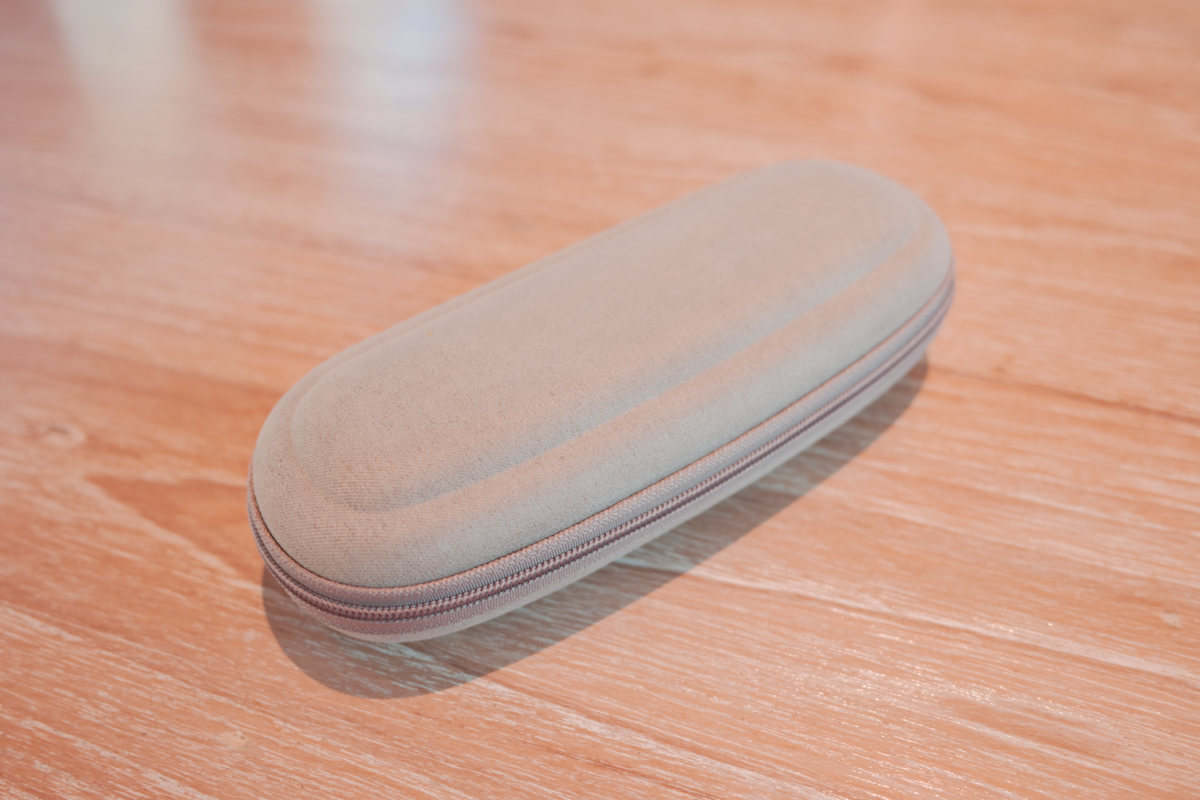
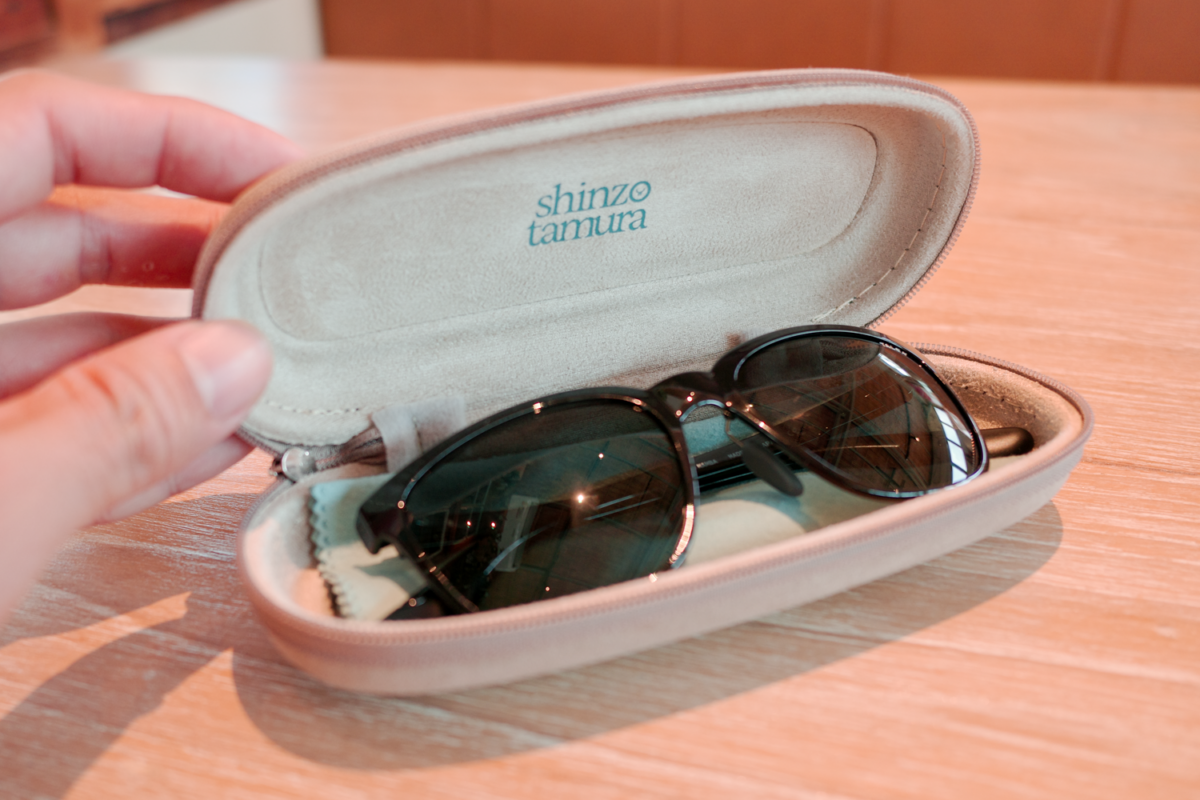
I don’t want to keep thinking about my eyewear or feeling like I’m wearing some statement piece just to block the sun. This is where the lightness starts to feel intentional rather than suspicious. It’s easy to forget you have them on, and that makes them far more useful than something that only feels expensive when you pick it up.
Conclusion
The Namba Slate is a study in contrast: light in the hand, premium in impression, and entirely free of visual noise. Aside from a slightly narrow fit for wider faces and a bulky, non-black case, the optical clarity and all-day comfort are tough to beat. Get past the featherweight first impression, and the Namba proves that restraint and finesse are well worth the money.
The verdict is that it earns a permanent place in my HAVEN Horizon Messenger bag, and it is not an easy place to earn.
Like this review? See all of my in-depth reviews.
Also, consider supporting me by being a Patreon. Every cent given will go back into improving the content of this website.
Tagged review shinzo tamura sunglasses